“If your actions inspire others to dream more, learn more, do more and become more, you are a leader.”
― Simon Sinek
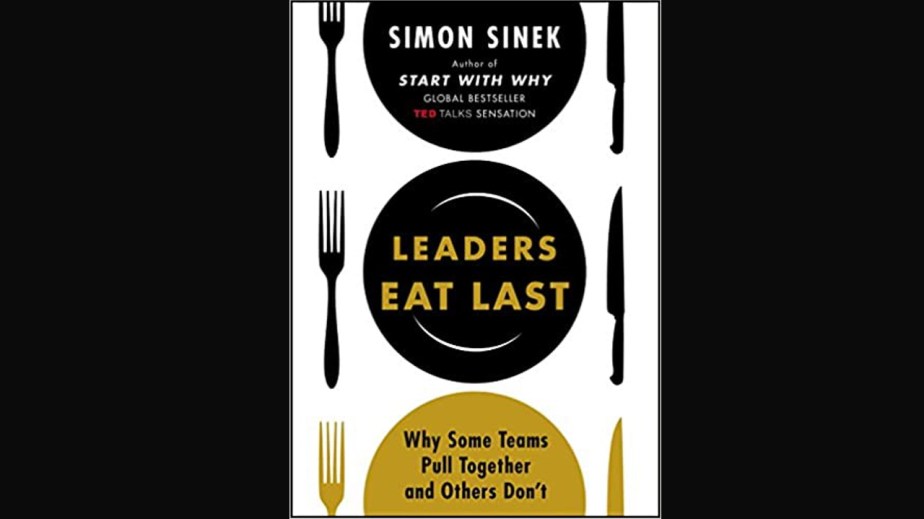
Image source: Amazon UK
Buy this book here
Why Read This Book
If you are in a leadership position, or are aspiring to be. this is an essential book to read. Also, if you want to help improve the culture of your workplace or to understand what it means to be a great leader,this is the book for you.
Contents
Part 1: Our need to feel safe
- Protection from above
- Employees are people too
- Belonging
- Yeah, but . . .
Part 2: Powerful forces
- When enough is enough
- E.D.S.O.
- The big C
- Why we have leaders
Part 3: Reality
- The courage to do the right thing
- Snowmobile in the desert
Part 4: How we got here
- The boom before the bust
- The boomers all grown up
Part 5: The abstract challenge
- Abstraction kills
- Modern abstraction
- Managing the abstraction
- Imbalance
Part 6: Destructive abundance
- Leadership lesson 1: So goes the culture, so goes the company
- Leadership lesson 2: So goes the leader, so goes the culture
- Leadership lesson 3: Integrity matters
- Leadership lesson 4: Friends matter
- Leadership lesson 5: Lead the people, not the numbers
Part 7: A society of addicts
- At the center of all our problems is us
- At any expense
- The abstract generation
Part 8: Becoming a leader
- Step 12
- Shared struggle
- We need more leaders.
- Appendix: A Practical Guide to Leading Millenials
- Acknowledgements
- Notes
- Bibliography
- Index
Summary
This book primarily explains why it is the role of leadership in organisations to take care of those in their charge, rather than just being in charge. The concept of the circle of safety within an organisation that means we are protected from outside dangers like the effects of the stock market or new innovations, and pandemics, which in turn creates more trust, cooperation and innovation. When we feel like we do not have to protect ourselves from our bosses, who might sack us if our numbers are not as high as they want them to be, then the organisation collectively works harder to protect the company from outside dangers.
The book also talks about how inhuman our decisions can become the further away we get from the people they effect. We have evolved to keep clear social links with around 150 people, so big organisations can mean the leaders at the top do not personally know those at the bottom, and the book talks about how leaders can resolve this by creating the right culture in their organisation. There are five leadership lessons, backed up by examples of both how it can go wrong and how it can go right. And the book ends with advice on becoming a leader and a new additional chapter on leading Millenials.


 The Fullfilment Project